
Memphis Built Gibson Semis – What’s the Big Deal?
Archived article. Written during the brand’s 2019–2026 trading years. Coffee House Guitars no longer buys or sells guitars; references to stock, prices, appointments and contact are historical.
About the author

Julian Deverell
Coffee House Guitars was owned and run by Julian, who has played, bought, sold and collected guitars since the 1990s. His writing draws on hundreds of instruments handled, with particular knowledge of high-end Fenders.
The Gibson Memphis Factory 2000 - 2019
If you've spent time exploring Gibson semi-hollow guitars, especially ES models like the ES-335 or ES-339, you've likely encountered the phrase "Gibson Memphis." The term sparks frequent questions and confusion: Were these guitars Custom Shop models? Why is "Memphis-built" special? Why did Gibson create a separate facility there?
Let's clear up these questions and highlight exactly why Memphis-built Gibson semis are held in such high regard.
Why Gibson Opened the Memphis Factory
In May 2000, Gibson established a dedicated factory in Memphis, Tennessee, specifically designed to build its renowned semi-hollow and hollow-body guitars. Prior to this, Gibson's main Nashville plant handled nearly all guitar production, mixing solid, semi-hollow, and hollow-body instruments. However, semi-hollow guitars—especially the iconic ES series—require specialised skills, unique tools, and precise processes. Gibson recognised this and established a facility entirely dedicated to semi-hollow guitar construction.
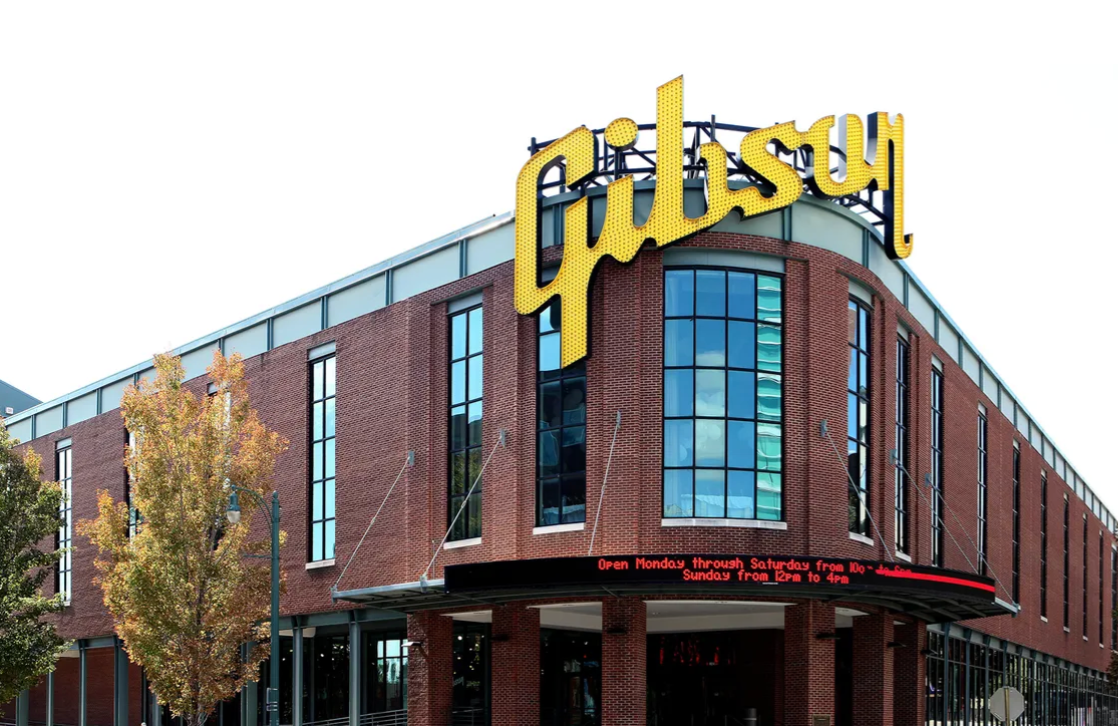
The Memphis factory pictured above is now a Fed Ex building
The Specialisation of Memphis
Semi-hollow guitars involve complex processes: laminate body pressing, precise placement of centre-blocks, careful routing of f-holes, and specific finishing techniques. By concentrating exclusively on these instruments, Gibson Memphis developed unmatched expertise. The factory employed skilled luthiers trained specifically in semi-hollow guitar craftsmanship, resulting in superior build quality, consistency, and attention to detail.
"Custom" Certificates and the Confusion
Between approximately 2005 and 2013, Gibson introduced a layer of confusion by branding some Memphis-built guitars under the Gibson Custom division. While Memphis never officially became part of Gibson's Nashville Custom Shop, certain Memphis guitars from this period were issued with "Custom" certificates or serial numbers. This branding was primarily marketing-driven, intended to reflect the high quality of Memphis builds. It created confusion among buyers, who understandably associated "Custom" certificates exclusively with Nashville Custom Shop guitars.
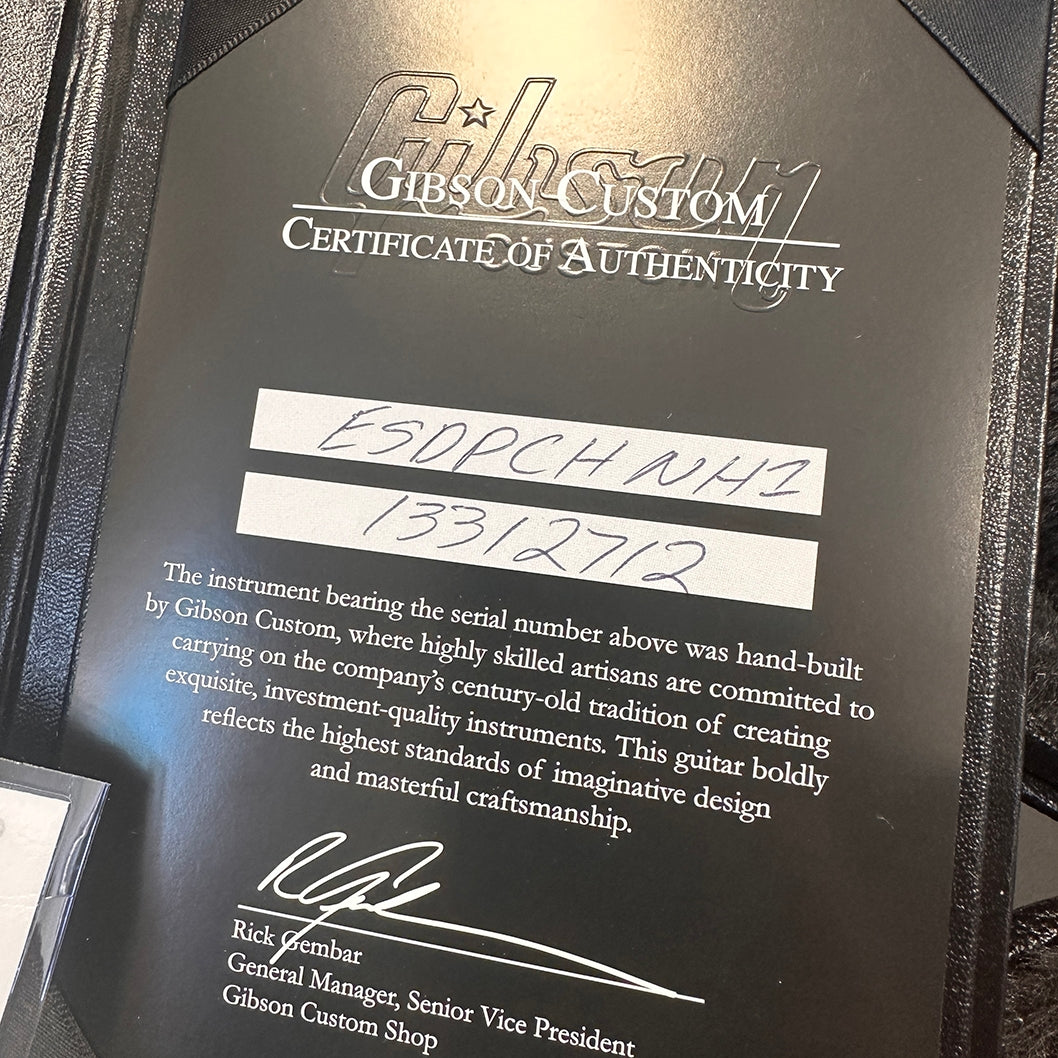
The inclusion of 'Gibson Custom' certificates like this has created confusion
To clarify:
-
Most Memphis-built guitars were not official Nashville Custom Shop instruments.
-
A limited number of special historic reissues and artist models were genuine collaborations with the Custom Shop.
-
The standard Memphis ES guitars from this era often came with Custom-style certificates simply to denote their high-level craftsmanship and build quality.
Why Memphis Gibsons Are Special
Gibson Memphis guitars quickly earned a stellar reputation due to several key factors:
-
Expertise: The factory exclusively produced semi-hollow and hollow-body guitars, allowing unmatched specialisation.
-
Quality Control: Consistently high standards for woods, hardware, and finishes.
-
Playability and Tone: Many musicians and collectors consider Memphis guitars superior in resonance, clarity, and overall feel, even compared to standard Nashville production.
-
Historic Accuracy: Memphis produced several highly regarded reissues (e.g., ’59, ’63, ’64 ES-335s), faithfully recreating vintage specs.
These factors collectively elevated Memphis guitars, making them particularly sought-after on the secondary market today.
Models Produced at Gibson Memphis
The Memphis facility produced virtually every semi-hollow and hollow Gibson model from 2000 until its closure, including:
-
ES-335 (Dot, Block, Plain, and Figured variants)
-
ES-339
-
ES-330
-
ES-175
-
ES-137 & ES-135
-
ES-Les Paul
-
Lucille (B.B. King Signature)
-
Signature models (Warren Haynes, Chris Cornell, Rusty Anderson)
-
Historic reissues (notably ’59, ’63, ’64 ES-335s)
Why Did the Memphis Factory Close?
Gibson closed the Memphis plant in 2019 as part of financial restructuring following its Chapter 11 bankruptcy in 2018. To streamline operations and reduce costs, semi-hollow guitar production was moved back to the Nashville facility. The closure marked the end of a distinctive and influential era of Gibson guitar manufacturing.
The Legacy of Memphis
Today, Memphis-built Gibson semis are valued not only for their build quality and tone but also for their historical significance as part of Gibson’s legacy. The period from 2000 to 2019 represents a high watermark in the modern history of Gibson semi-hollow guitar manufacturing. Memphis models continue to increase in desirability and value among collectors and musicians.
In summary, Gibson Memphis guitars are special because they represent the culmination of dedicated craftsmanship, specialised manufacturing, and careful attention to detail. While often confused with Custom Shop instruments due to marketing practices, their excellence stands independently, earning them a respected place in Gibson’s storied history.